Living with having had a prior brain surgery can make daily life challenging. At EA Therapeutic Health in Rochester, MN, we understand how frustrating it can be to deal with ongoing pain and limitations. Our team provides personalized care plans that include physical therapy and personal training to help reduce pain, restore movement, and improve quality of life. No matter what type of brain surgery, why it was done or when it was done- we’re here to help you take the first step toward relief.
Brain surgery: types and side effects
Brain surgery falls under the neurosurgery medical specialty. It involves treating abnormalities that exist in or around the brain. There are several types of this surgery- each having its own level of complexity, invasiveness and recovery time afterwards. The following are common types of brain surgeries:
- Craniotomy: This is when the surgeon removes a piece of the skull in order gain access to the brain for surgery.
- Deep Brain Stimulation: This involves putting electrodes inside the brain and delivering electrical impulses to the affected areas.
- Biopsy: This is a procedure where a piece of tissue is removed from the brain for examination.
- Neuroendoscopy: This is when an endoscope (a tube with a light and camera on it) is inserted in the nose or mouth. It is a less-invasive way than other procedures to treat and remove tumors.
- Endovascular: For this procedure, a catheter is inserted in the groin area and into a blood vessel. This is then thread up to the brain so that removal of blood clots or the repairing of aneurysms can take place.
- Laser Ablation: This is a less-invasive method that involves using lasers through tiny holes in the skull in order to destroy diseased tissues.
There are many reasons why people might need to brain surgery. The following are some common ones:
- Nerve damage
- Tumors
- Epilepsy
- Hydrocephalus
- Blood clots
- TBI
- Aneurysms
- Strokes
- Parkinson's
In Rochester, MN we have clients come to us who have had brain surgery. Regardless of what type of brain surgery they have had, there are some common symptoms we see that are typical in people who have had one of the surgeries. These include the following:
- Dizziness: This feeling and the resulting balance issues that may occur, can be temporary after the surgery or sometimes a long-lasting after-effect.
- Headaches: These can vary in frequency and intensity.
- Coordination and Motor Issues: The brain conditions and and surgery to fix them can lead to things like limb/muscle weakness and trouble walking.
- Vision Changes: These changes include blurriness and seeing double.
- Cognitive Issues: After brain surgery, many patients have issues with brain fog and short-term memory loss.
Recovering from brain surgery in rochester,mn
At EA Therapeutic Health, we take a personalized approach to helping clients recover from brain surgery in Rochester, MN. We start with a thorough assessment to uncover the underlying causes of your symptoms, then create a treatment plan tailored to your needs. This may include:
-
Body Weight Support Systems– Helps with easing into and getting more confident with movement after surgery.
-
Strength Training– Our expert staff will set you up with a personal plan that helps you gain strength so you can move better and feel better.
-
Vestibular Rehabilitation Therapy- These are exercises that help with retraining the brain. This type of therapy reduces dizziness and improves balance.
-
Balance Training- We use equipment and specific exercises to help you regain stability.
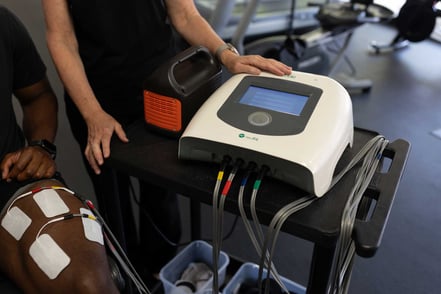
- Advanced Rehabilitation Technology- We use cutting edge rehabilitation tools that target the nervous system to help with balance, movement and pain.
Our goal is to not only relieve your immediate symptoms but also to give you tools to manage symptoms on your own and have long-lasting recovery.
👉 Ready to take control of your health? Schedule your appointment today with EA Therapeutic Health in Rochester, MN and start your journey toward healing and recovery from brain surgery.